
Seattle + Eastside / Local real estate
Central District real estate: compare the home and the whole journey.
A practical guide to housing forms, current connections and property records, with the broader Central Area market boundary made explicit.

Market evidence
Central Area context for the Central District at a glance
Three months ending September 2026 · All home types · Source checked October 14, 2026
The provider-defined Central Area is broader context, not an exact statistical boundary for every Central District definition or block.
- Provider-reported median sale price
- $843,764
- Median price change from the corresponding period a year earlier
- -18.5%
- Median days on market
- 31 days
These closed-sale summary measures use the provider’s labeled geography and reporting window. They do not measure an individual home’s appreciation or establish a property valuation.
Source: Redfin housing market summary
What the evidence leaves unresolved
The provider’s summary uses a three-month window. Its count language and separate sale-to-list display do not establish a consistent aggregation period, so those figures are omitted. A detailed monthly inventory, pending-sales, property-type or price-band export was not obtained. A median can move with the mix of properties sold. Use property-specific comparable evidence for a buying or selling decision.
Set the scope
Use the address to define the comparison.
The Central District guide is a practical housing-search resource. Its market context uses Redfin’s broader Central Area geography, which is not a precise substitute for every colloquial Central District boundary. That distinction matters when a detached home, an infill townhome and a condominium appear in the same headline.
Choose the streets and daily destinations that belong in your search before collecting comparable sales. Keep the boundary and property form consistent. A nearby address in Leschi, Madrona, First Hill or another named area may be a useful alternative without belonging in the same statistical sample.
Madison-facing access
Compare the actual walk to Madison’s operating G Line with the route to your other destinations. Grade, crossing location, waiting and the final walk are part of the trip. A home elsewhere in the broad Central Area does not inherit the same service relationship.
The 23rd Avenue corridor
Use the current route 48 connection as one scouting anchor. Compare an address close to the corridor with an interior block by testing entry, parking, street exposure and ordinary errands. Then inspect how the home is owned and which maintenance obligations are shared.
Yesler and the southern search
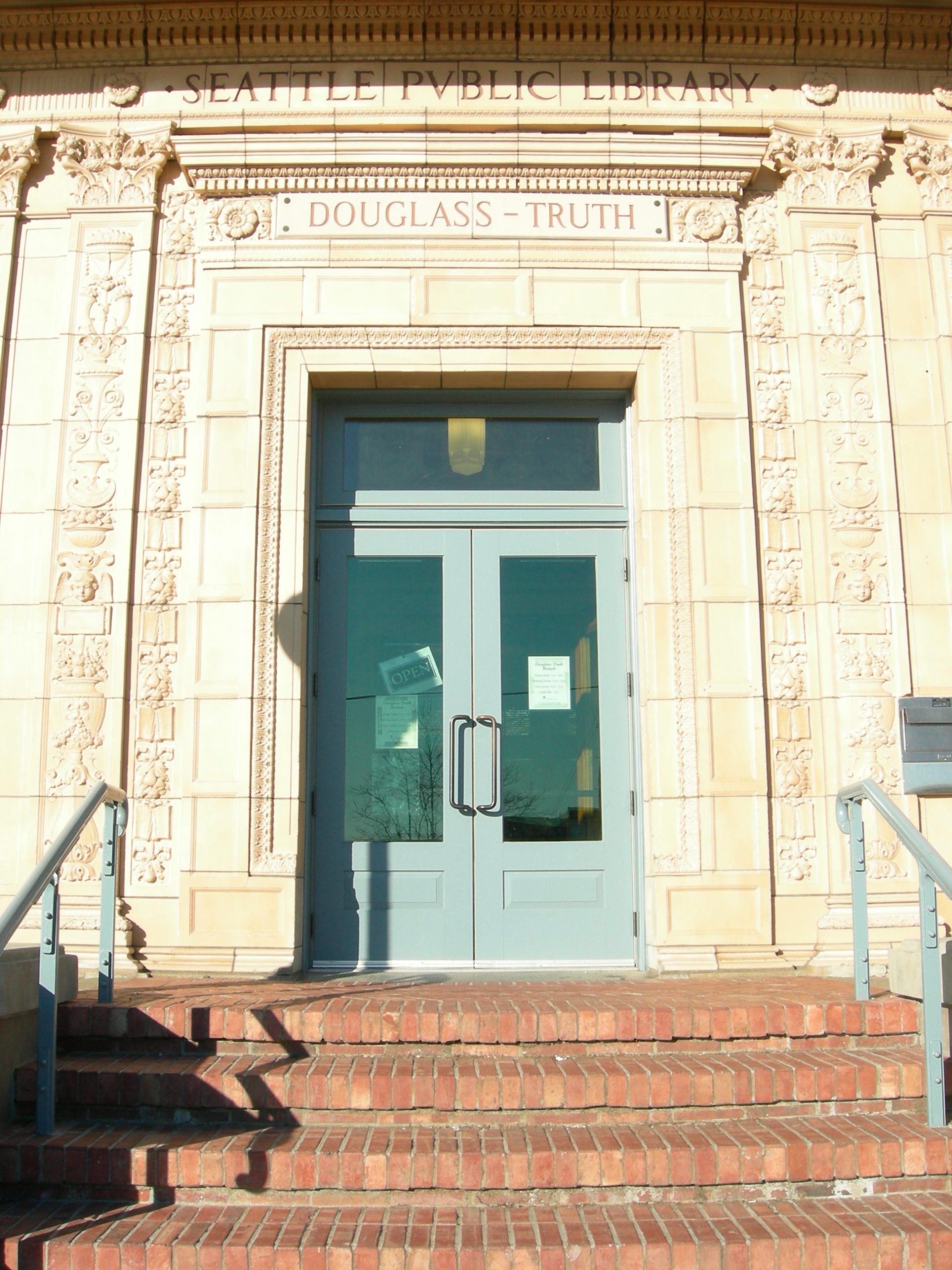
Douglass-Truth Library and the route toward Judkins Park can help make the area legible. A useful station relationship is an address-level question. Walk the complete route from the home and inspect current service information rather than assigning the same access benefit to the entire district.
Eastern comparisons toward Leschi
Compare topography, room function and the actual route to everyday destinations. If a water view or hillside setting drives the purchase, investigate the specific property and applicable site requirements. The broader Central Area market figure does not measure a separate eastern-edge premium.
Housing and ownership
Three similar budgets can purchase different obligations.
An older detached home
Connect the visual appeal with documented condition. Review the roof, exterior, heating, drainage and the permit history of changes to the home. If an added bedroom, finished lower level or accessory unit affects the purchase, establish what the records support and what further investigation is needed.
An infill attached home
Test how the layout functions from the entrance through the living levels, parking and any outdoor space. Then establish whether the property is fee-simple or condominium ownership. Shared access, utilities, walls and maintenance responsibility can change the all-in expense. A newer finish or small association does not answer those questions.
A condominium
Review the association budget, reserves, insurance, restrictions and planned work. Identify the unit-specific rights to parking and storage. Compare an attractive recurring dues figure with the actual systems and future work it must support. The condominium and townhome ownership guide helps organize that review.
Current local context
Transit is operating; a proposed zoning map is still a proposal.
Metro’s current G Line serves Madison Valley, Capitol Hill, First Hill and downtown Seattle. Route 48 serves the University District, Montlake, Central District, Judkins Station and Mount Baker. Their verified schedules run from August 29, 2026 through March 26, 2027. Use the stop and route that serves the actual property, with current alerts checked before a timed test.
The operating cross-lake 2 Line serves Judkins Park, Mercer Island, Bellevue and Redmond, as well as central and northern Seattle stations. For a Central District purchase, the door-to-station walk and destination leg are essential parts of the comparison. A station circle on a map does not establish a useful journey.
Seattle’s updated Neighborhood Residential rules became effective January 21, 2026. The separate Centers and Corridors package remains proposed in the current city project material. Before paying for a future addition or unit plan, establish the parcel’s current zoning, permits and physical constraints. This guide does not assign an adoption date to pending legislation or promise the development rights of an individual lot.
A grounded visit
Connect civic destinations with the home you would actually use.
Pratt Park provides an outdoor scouting destination with play, picnic and basketball facilities identified by Seattle Parks. Garfield Community Center publishes current program information and a fall 2026 activity brochure. Review the specific activity and registration details instead of assuming every facility is available whenever you arrive.
Douglass-Truth Library is another useful anchor. Its official branch history explains the original building and the 2006 expansion. It helps you orient a visit, while the route from a candidate home remains a separate practical test.
- Walk from the actual door. Include the entry, grade, crossing and the destination you expect to use.
- Return at a normal travel time. Observe how the layout, light and street relationship work for your routine. Your own visit is more useful than a general neighborhood characterization.
- Compare the alternative. Visit a second home with the same core requirements and a different ownership form or route.
- Resolve the document questions. Match the physical observations with title, association, permit and inspection information before choosing the compromise.
For buyers
Let the property evidence set the offer.
The broader Central Area summary shows a lower reported median and a longer median market time than the corresponding period a year earlier. That warrants a close look at the strongest substitutes and the listing’s own position. It does not demonstrate that an individual Central District house lost the same percentage or that a particular seller will accept a preset discount.
For an older home, distinguish documented improvements from work you would need to undertake. For an attached home, connect a compact layout with the ownership and shared-cost file. For a condominium, compare the unit together with the association. Build a budget for condition, recurring obligations and the normal trip you intend to make.
When a future-use idea leads the purchase, obtain property-specific feasibility information before treating it as established value. Keep financing, inspection and closing decisions tied to the property and competition that actually exist.
For sellers
Make a complex property easier to understand.
Organize the permit and renovation history, maintenance records, parking and access rights, and association documents where applicable. Explain how each level and outdoor area functions. A clear floor plan and useful photographs can answer practical questions that a location label cannot.
Price against properties with comparable ownership form, usable space, condition and access. If you use a broader geography to find enough evidence, disclose that expansion and explain the relevant differences. Asking prices show the buyer’s alternatives; they do not establish achieved value.
Request a Central District property review to build a comparison around the actual home and its competitive group.
Practical Central District questions
Why does the market panel say Central Area?
That is the provider’s statistical geography. It is broader context for this guide, rather than a claim that every Central District boundary or block is measured exactly by that row.
Does the median change measure what my home gained or lost?
No. The reported change compares market medians across the labeled periods and can reflect the mix of properties sold. A home needs its own comparable-sales and condition analysis.
Can a newer townhome still be condominium ownership?
Yes. Review title and association documents. Appearance and a marketing label do not establish legal ownership or shared obligations.
Can I rely on a proposed zoning map?
Use it to understand a proposal. Establish the parcel’s current adopted rules and permit record before making a purchase decision that depends on development.
How should I check school assignment?
Use the exact address in the Seattle Public Schools lookup and confirm the result with the district. A neighborhood label does not establish assignment.
Which neighboring comparison is useful?
Compare Leschi, Beacon Hill or another Seattle setting when it meets the same housing, budget and access requirements. Keep their source boundaries explicit.
Sources, dates and limits
Market and the material local facts in this revision were checked October 14, 2026. The market period is three months ending september 2026; it is not an October transaction count or a live inventory feed.
- redfin.com: housing market
- kingcounty.gov: schedule
- kingcounty.gov: schedule
- soundtransit.org: 2 line
- seattle.gov: pratt park
- seattle.gov: garfield community center
- one-seattle-plan-zoning-implementation-seattlecitygis.hub.arcgis.com: one seattle plan zoning implementation seattlecitygis.hub.arcgis.com
- seattleschools.org: find your school
- spl.org: douglass truth branch highlights
Interpretation and scouting questions are original editorial guidance. They are separate from measured performance or a property-specific appraisal. Verify the property record, legal rights, condition and feasibility with the appropriate documents and qualified professionals.
A property-specific plan
Put the local evidence to work.
Connect the home, its condition and the actual alternatives with a clear buying or selling decision.
Review your home’s valueBuild your buying plan